
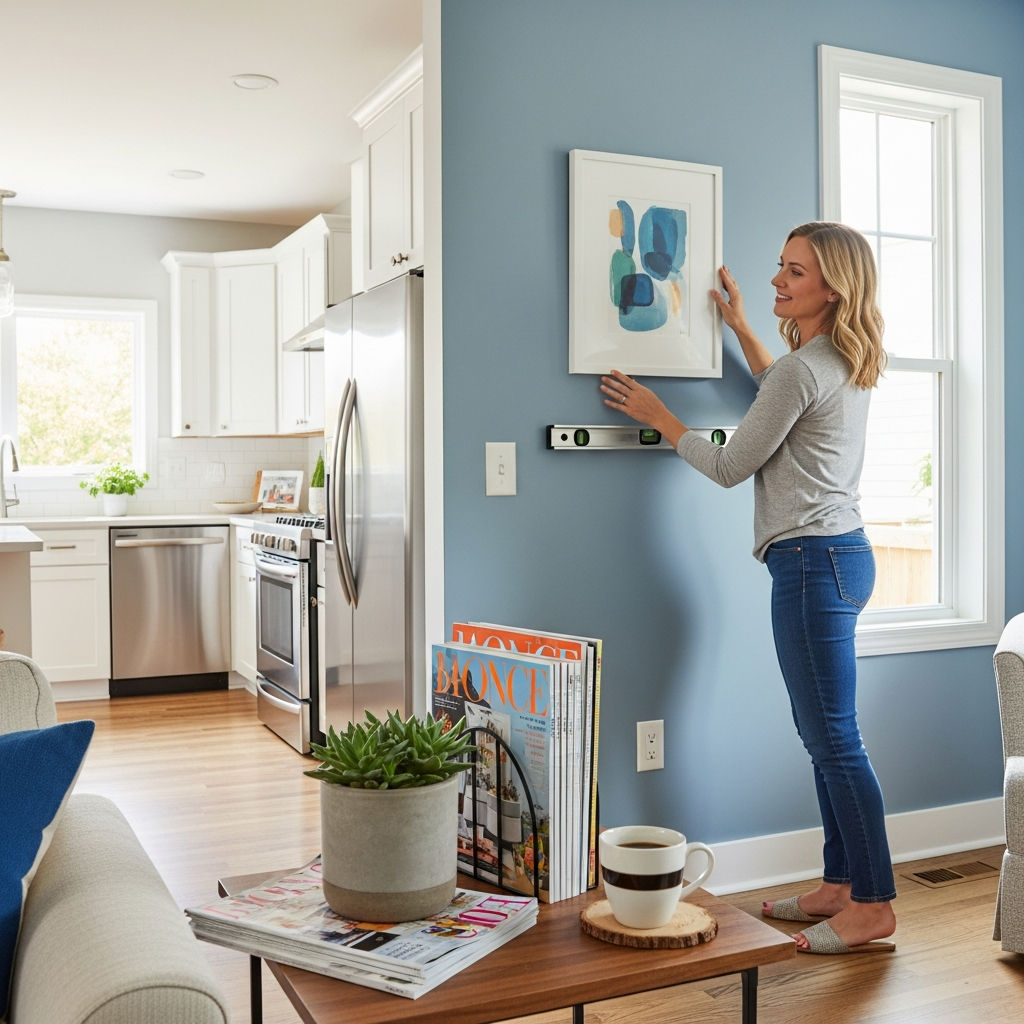
5 Simple Tips to Improve Your Home Improvement Projects
Home improvement is more than just a way to increase the market value of your property; it is an investment in your quality of life. Whether you are planning to sell in the near future or you simply want to enjoy your living space more, the prospect of “renovating” can often feel overwhelming. Many homeowners assume that significant improvements require massive budgets and months of construction dust.
However, the most effective home improvements are often the simplest ones. By focusing on strategic updates that offer a high return on investment (ROI) and immediate aesthetic impact, you can transform your home without the stress of a full-scale remodel. In this guide, we will explore five simple tips to improve your home improvement journey, ensuring your efforts lead to a more beautiful, functional, and valuable home.
1. Master the Art of a Fresh Coat of Paint
If there is one “magic wand” in the world of home improvement, it is paint. A fresh coat of paint is the most cost-effective way to completely change the mood and energy of a room. It covers imperfections, brightens dark spaces, and makes old walls look brand new.
Choose Neutral Colors for Longevity
While bold, trendy colors might look great on social media, they can quickly become dated. If your goal is to improve your home’s value and appeal to a wider audience, stick to “greige,” soft whites, or light blues. These colors make rooms feel larger and more inviting.
Don’t Forget the Trim and Ceilings
Many DIYers focus only on the walls, but painting the baseboards, window casings, and ceilings can make a massive difference. Using a crisp, semi-gloss white on the trim provides a sharp contrast that makes your wall colors pop and gives the room a professional, finished look.
- Pro Tip: Always use a primer if you are switching from a dark color to a light one to ensure even coverage.
- Budget Hack: You don’t need to paint the whole house. Start with the “social” rooms—the kitchen, living room, and entryway—to get the most impact.
2. Upgrade Your Lighting Strategy
Lighting is often an afterthought in home improvement, yet it is one of the most critical elements of interior design. Poor lighting can make even the most expensive furniture look dull, while great lighting can make a modest room look luxurious.
Layer Your Lighting
To truly improve your home’s atmosphere, you should utilize three layers of lighting:
- Ambient Lighting: Your general overhead light source.
- Task Lighting: Focused light for activities, such as under-cabinet lights in the kitchen or a reading lamp in the office.
- Accent Lighting: Lights that highlight architectural features or artwork, such as wall sconces or picture lights.
Switch to LED and Smart Dimmers
Replacing old incandescent bulbs with LEDs not only saves money on your energy bill but also allows you to choose the “temperature” of the light. For living areas, look for “Warm White” (2700K-3000K). Additionally, installing dimmer switches allows you to adjust the mood of a room instantly, which is a high-end feature that buyers love.
3. Boost Curb Appeal with Minor Landscaping
Your home’s exterior is the first thing people see. Curb appeal sets the tone for the rest of the house. You don’t need a professional landscaper to make your home look more inviting; a weekend of sweat equity can yield incredible results.
The Power of the Front Door
The front door is the focal point of your home’s exterior. If your door is fading or peeling, sand it down and give it a fresh coat of paint in a classic color like navy blue, forest green, or even a bold red. Complement this with new, modern house numbers and a clean doormat.
Edge and Mulch Your Garden Beds
Defined lines make a garden look professionally maintained. Use a spade to edge your garden beds and add a fresh layer of dark mulch. This hides weeds and provides a clean, uniform look that makes your plants and flowers stand out.

- Low Maintenance: Choose perennial plants that come back every year to save time and money in the long run.
- Cleanliness: Use a pressure washer to clean the driveway, sidewalk, and siding. Removing years of dirt and grime can make your home look a decade younger.
4. Focus on High-Impact Hardware Swaps
When people think about kitchen or bathroom improvements, they often jump to replacing cabinets and countertops. However, you can achieve a “mini-remodel” look simply by swapping out the hardware. This is one of the easiest DIY tasks that requires nothing more than a screwdriver.
Kitchen Cabinet Handles and Pulls
Old, dated brass or wooden handles can drag down the look of your kitchen. Replacing them with modern matte black, brushed nickel, or champagne bronze hardware can instantly modernize the space. Ensure you measure the “center-to-center” distance of the existing holes so you don’t have to drill new ones.
Bathroom Fixtures
Similarly, replacing a crusty old showerhead or a leaky faucet with a modern, high-pressure model can make your daily routine feel like a spa experience. Match your faucet finish with your towel racks and toilet paper holder for a cohesive, designer look.
Small details like these signal to guests (and potential buyers) that the home has been well-maintained and cared for, increasing the overall “perceived value.”
5. Declutter and Create “Invisible” Storage
No amount of renovation can fix a home that feels cramped and cluttered. One of the most effective home improvements is actually a subtraction: removing the items you don’t need and organizing the ones you do. A clean, organized home feels larger and more peaceful.
Utilize Vertical Space
If you are running out of floor space, look up. Installing floating shelves in the living room or extra wire shelving in the pantry allows you to store items without crowding the room. Vertical storage draws the eye upward, making ceilings feel higher.
Create Functional Zones
Improve the flow of your home by creating dedicated zones for specific activities. A small “drop zone” near the entryway with hooks for keys and a bench for shoes prevents clutter from migrating into the kitchen. Use baskets and bins to hide “visual clutter” on open shelving.
- The 12-Month Rule: If you haven’t used an item in 12 months, consider donating or selling it.
- Built-ins: If you have a larger budget, adding built-in bookshelves or window seats adds permanent value and provides a high-end look that buyers crave.
Conclusion: Start Small for Big Results
Improving your home doesn’t have to be a daunting task involving contractors and permits. By focusing on these five simple areas—paint, lighting, curb appeal, hardware, and organization—you can make significant strides in both the aesthetics and the value of your property.
The key to successful home improvement is consistency and planning. Start with one room or one project per month. As you see the transformation take place, you’ll gain the confidence to tackle larger projects. Remember, your home is a work in progress, and every small change brings you one step closer to the living space of your dreams.